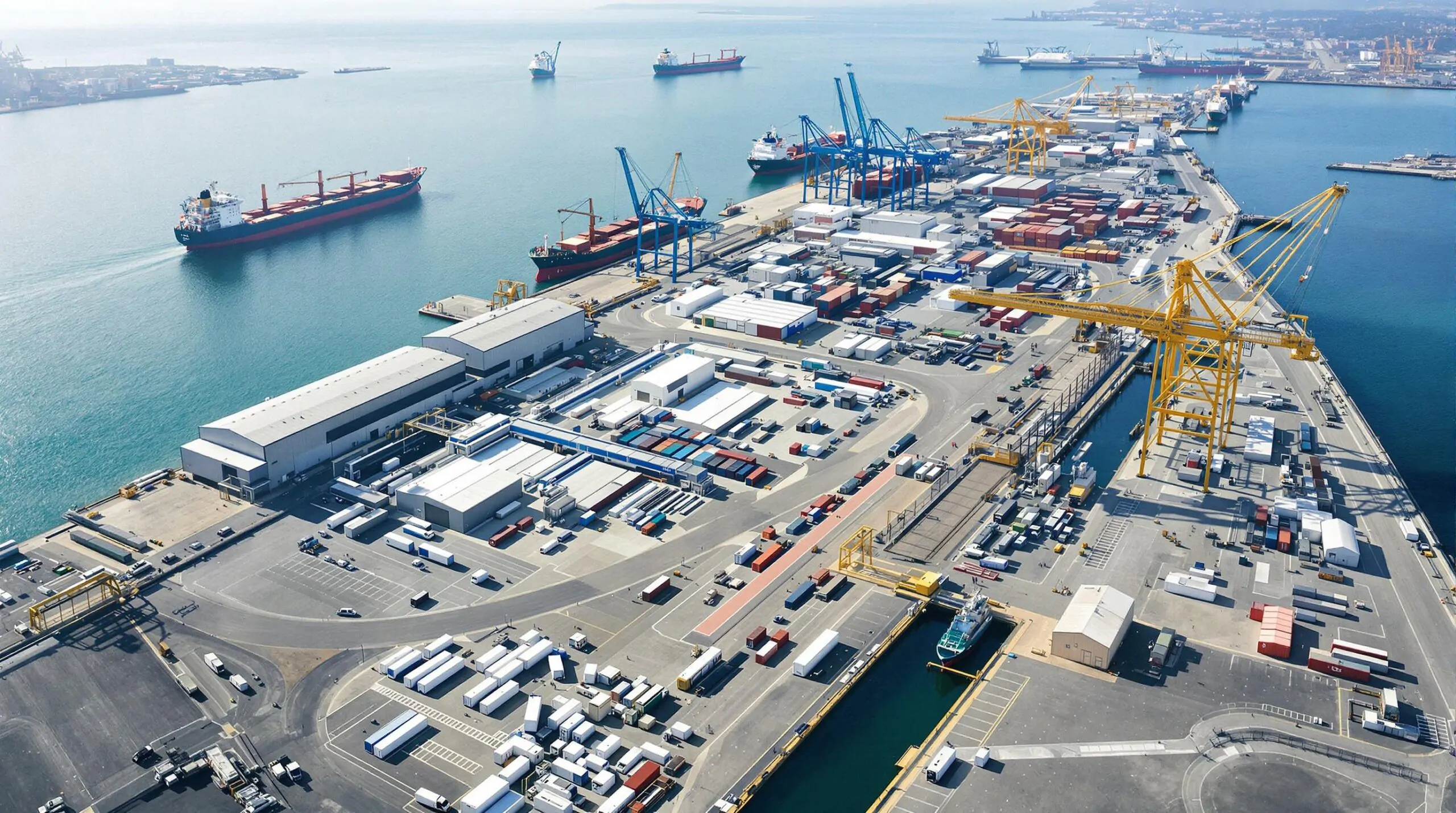
Growing Competition: How Fertilizer Supply Logistics to Ukraine Has Changed

Growing Competition: How Fertilizer Supply Logistics to Ukraine Has Changed

New Geography of Supplies

According to the State Customs Service, in 2024, mineral fertilizer imports to Ukraine reached 2.7 million tons, which is 23% more compared to the previous year. The majority of imports – 1.4 million tons – consists of nitrogen fertilizers, which are critically important for Ukrainian farmers.

After completely stopping imports from Russia and Belarus, the Ukrainian market reoriented to supplies from:

  • Nearby countries: Serbia, Turkey, Georgia
  • Medium-distance countries: Azerbaijan, Turkmenistan, Egypt, Tunisia
  • Long-distance countries: South Korea, China, Saudi Arabia

Transformation of Logistics Routes

The blockade of Black Sea ports at the beginning of the war forced importers to develop alternative supply routes:

  1. Land corridors:
  • Development of new transshipment terminals on the western border
  • Creation of dry ports (for example, Mostyska)
  • Development of warehouse infrastructure
  1. Danube direction:
  • Adaptation to smaller vessel parties (up to 6,000 tons)
  • Modernization of port infrastructure
  1. Seaports:
  • Resumption of Greater Odesa ports operations
  • Increase in vessel batch volumes
  • Conclusion of long-term supply contracts

Infrastructure Investments

Market participants are actively investing in logistics infrastructure development:

  • Global Ocean Link (GOL) built two warehouses at DP World TIS Pivdennyi terminal
  • TEUS installed new packaging equipment in Chornomorsk port
  • “Kaspit Trade” is expanding storage capacity and investing in its own fleet

Competitive Environment

The market is characterized by:

  • Growth in the number of new players
  • Increased price competition
  • Emergence of new business models
  • Development of long-term partnerships

Development Prospects

Further development of the mineral fertilizer supply market in Ukraine will depend on:

  • Stability of seaport operations
  • Investments in logistics infrastructure
  • Diversification of supply sources
  • Optimization of logistics costs

An important factor is also the synergy with grain exports, where fertilizer imports can help optimize logistics costs through return vessel loading.
Analysis of Global Container Fleet: TOP-5 Operators

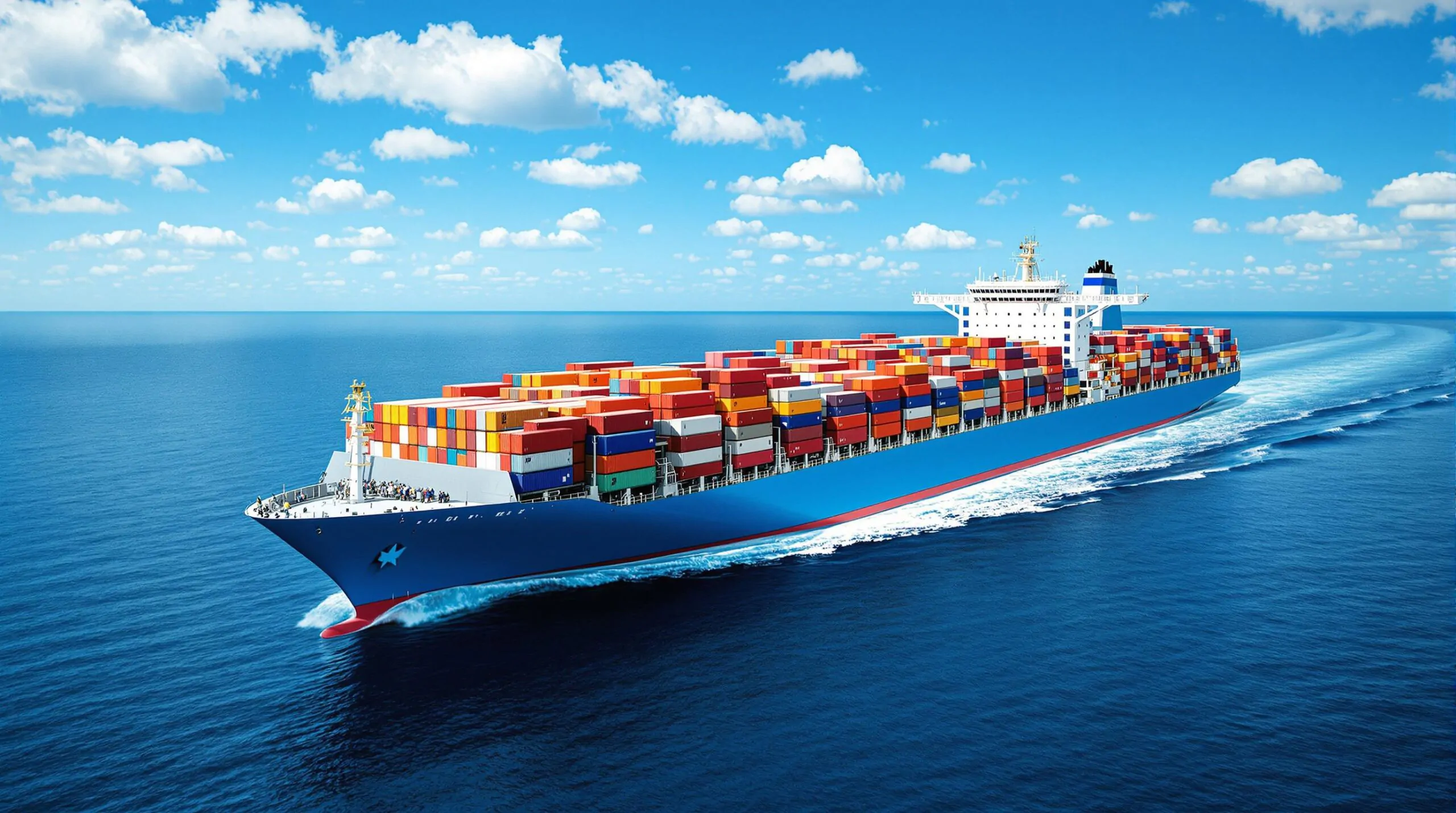
Based on Alphaliner data regarding current fleet and order book (in TEU), here are the key players in the container market:

Maersk

  • Includes: Maersk A/S, Hamburg Sud, Alianca, Sealand (Asia, Americas, Europe & Med)
  • Leader in container shipping

MSC

  • Includes: WEC Lines and Log-In Logistica
  • Actively expanding its fleet

CMA CGM Group

  • Includes: CMA CGM, APL, ANL, CNC, CoMaNav, Containerships and others
  • Strong positions in various regional markets

COSCO Group

  • Includes: COSCO Shipping, OOCL, Shanghai Pan Asia Shipping and others
  • Powerful Chinese operator with global presence

Hapag-Lloyd

  • Includes: NileDutch and DAL
  • Integrated former UASC fleet

It’s worth noting that most major operators are actively expanding through acquisitions of smaller companies and ordering new vessels, indicating consolidation in the container shipping market.

Alternative titles:

  • Global Container Fleet Overview: Top 5 Players
  • World’s Leading Container Shipping Operators
  • Container Shipping Market Leaders: Top 5 Analysis

Strategic Partnership between Alibaba and Maersk: A Revolution in Container Shipping

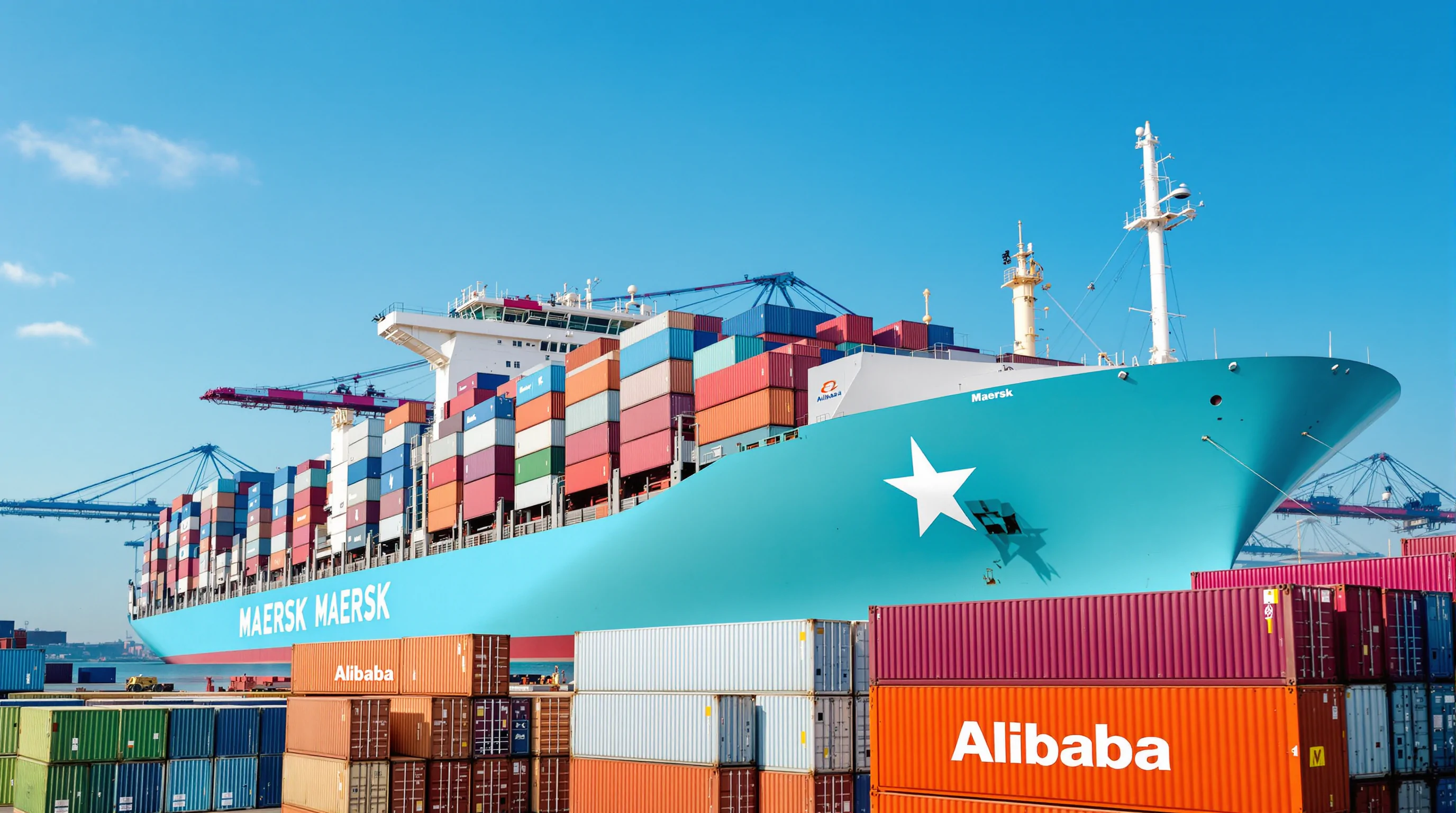
A significant milestone has been reached in the world of international logistics as Chinese e-commerce giant Alibaba.com and leading shipping company Maersk announce their strategic collaboration in container shipping services. This partnership aims to transform the way maritime transportation is organized for small and medium-sized businesses.

The key element of this collaboration will be the integration of Maersk’s services for both Full Container Load (FCL) and Less than Container Load (LCL) shipments directly on the Alibaba platform. This innovation will provide platform users with direct access to transparent and cost-effective logistics solutions.

Key features of the new collaboration include:

  • Instant booking capabilities directly through the Alibaba.com platform
  • Real-time access to current prices for bulk shipments
  • Streamlined shipping organization process for all trade participants
  • Expected reduction in logistics costs by approximately 10%

According to Alibaba.com representatives, this partnership will cover markets in Europe, the United States, and the Asia-Pacific region, enabling the creation of a mutually beneficial logistics ecosystem and increasing order volumes.

This collaboration represents a significant step forward in the digitalization of maritime shipping and demonstrates how technology companies and traditional carriers can join forces to enhance global trade.