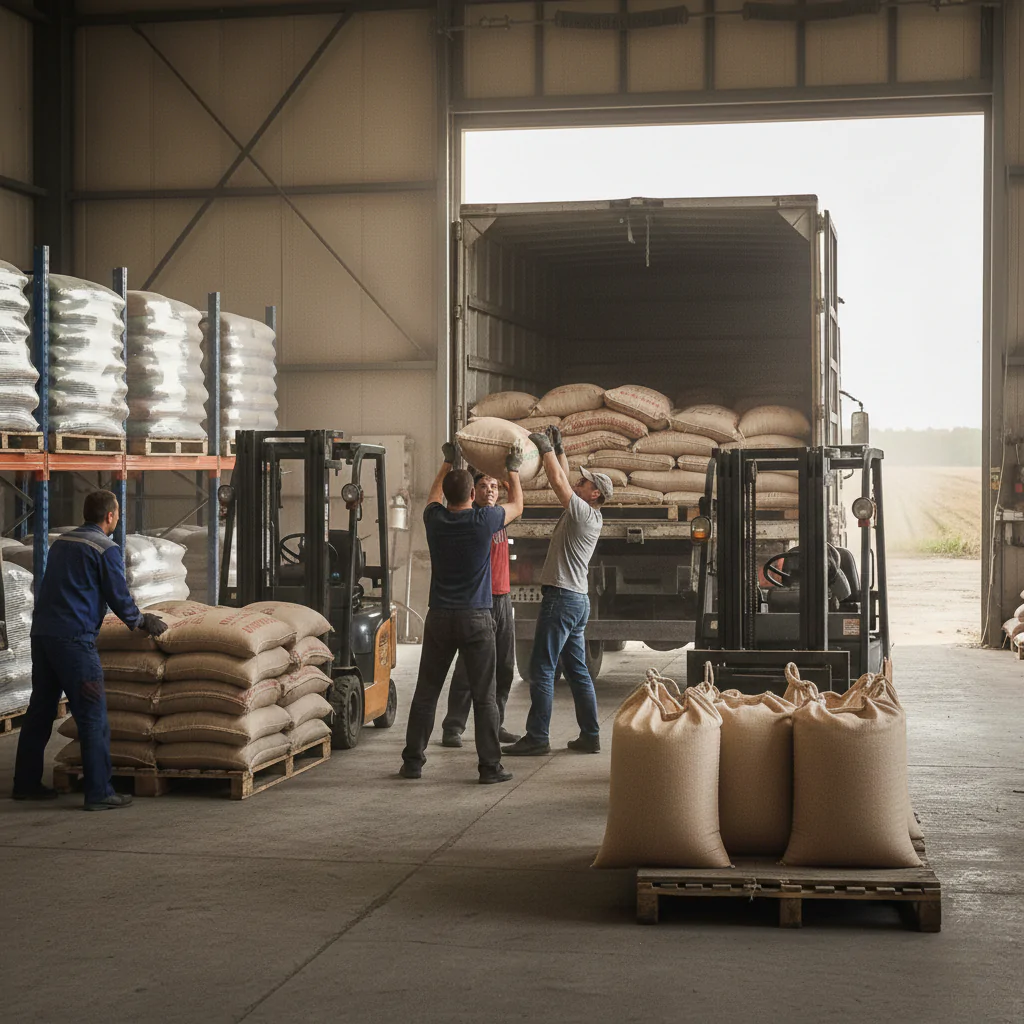
From Raw Material Import to Finished Product Export

The Global Ocean Link team recently completed a compelling case study involving a full-cycle logistics solution for a tobacco manufacturer.
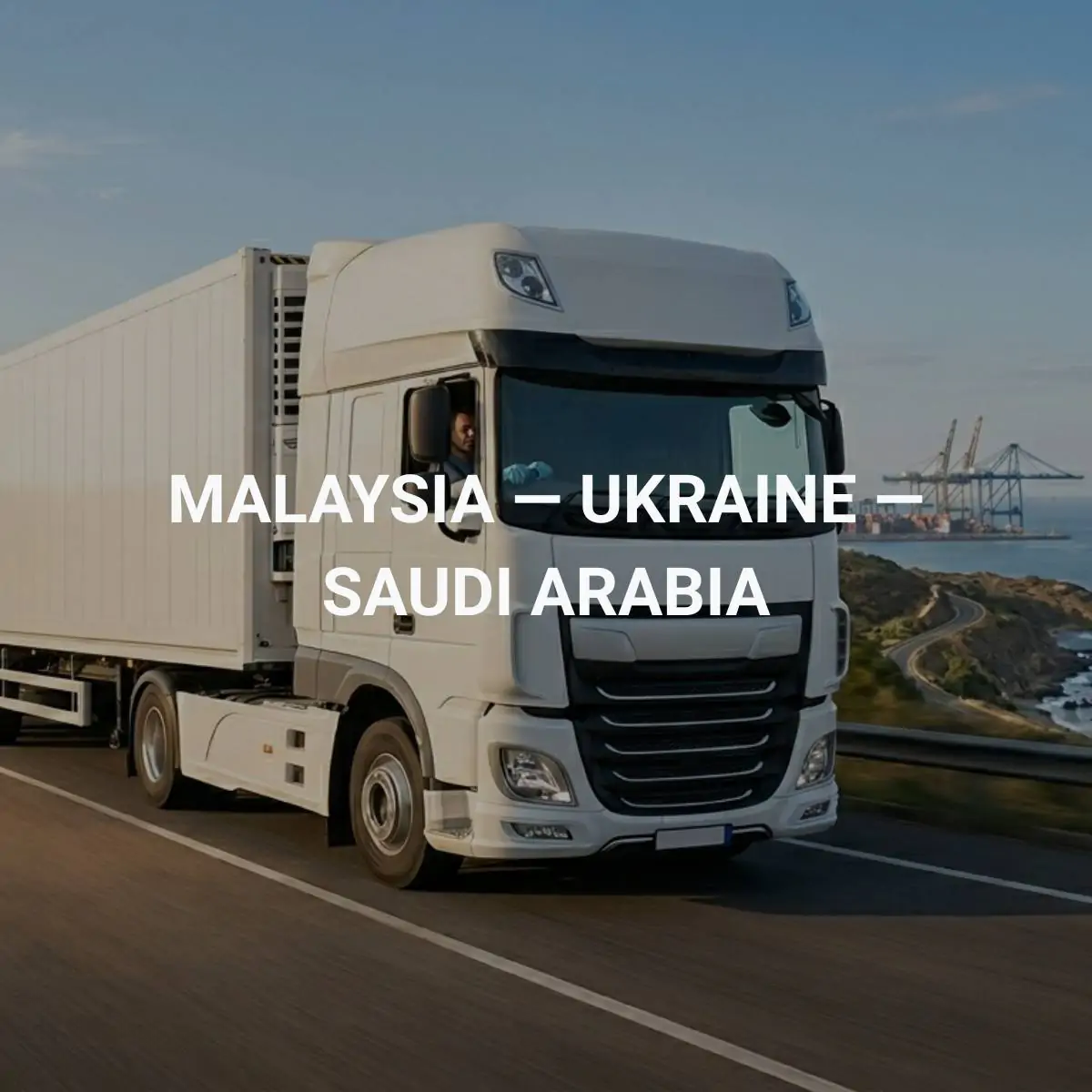
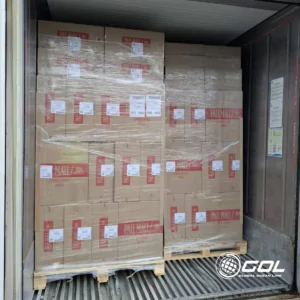
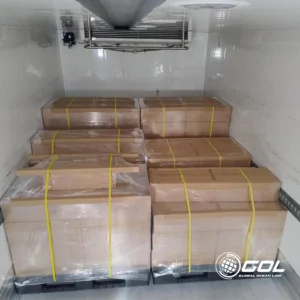
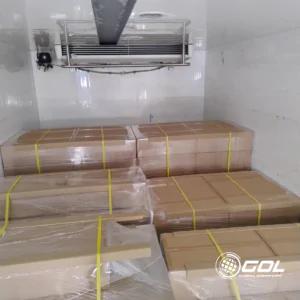
The first stage involved the delivery of cigarette filters from Malaysia to Ukraine under FCA terms, requiring strict adherence to specific temperature and humidity levels. The transportation was carried out with transshipment in Gdansk or Koper. Throughout all stages, the cargo was transported in refrigerated conditions, with each pallet equipped with a data logger to continuously monitor temperature and humidity along the entire route. Upon arrival, the client verified the logger data and confirmed that there were no deviations.
Following production, these filters are used to manufacture cigarettes, after which we manage the export of the finished goods to Saudi Arabia via the Port of Constanta. This process is also handled in reefers, maintaining rigorous temperature and humidity control at every stage of transport.

Logistics Hero: Yuliya Artyukh
✉️: [email protected]


Logistics Challenges, Risks, and Trends in 2026

In the challenging conditions of wartime, Ukrainian logistics continues to face a wide range of risks and challenges. These are constantly evolving, as the field is highly dynamic and influenced by both domestic processes and international factors.

CEO Pavlo Lynnyk and Commercial Director Volodymyr Huz discuss the current context for logistics companies.

What logistics solutions do you consider most effective for mitigating risks in 2026?

Volodymyr Huz: In 2026, the key factor for resilience is diversification and supply chain controllability, rather than relying on a single “ideal” route. When distributing flows, one must consider local risks perceived by importers. Insurance and tariffs are also vital issues. It is particularly worth noting that insurance services have surged in price and continue to get more expensive—rising from 1% to 3.5%.

Poland remains a key hub. We can assume that in March, this traffic will continue to be oversaturated. However, it remains effective as it allows for work with various transport modes—container ships, trucks, and rail. By the way, rail can reach the final destination directly (which is cheaper but not very fast) or, for example, go to the Mostyska border crossing, from where the cargo can be picked up by truck.

One should not forget other European alternatives. Constanța hasn’t gone anywhere and has become more active as of today. It is a sort of European “Plan B.” Similarly, Rijeka remains a solid hub for rail service via Budapest, which is a good option for certain importers.

If we are talking about connections with Northern and Central Europe, the USA, Canada, and South America, then Germany and the Benelux countries can be considered alternatives to Poland. This is relevant for high-margin goods where one wants to avoid the risks in Poland, such as the port closures seen in early January.

Pavlo Lynnyk: From our experience, the most effective solutions are: multimodal routes with the ability to quickly switch between ports, countries, and transport modes; the regionalization of logistics and use of dry ports, border hubs, and temporary storage warehouses closer to the client; and combining shipping lines with alternative services to avoid dependence on a single global player.

Effectively, in 2026, the winner is not the one who is cheaper, but the one who is more stable and adapts faster.

What changes in carrier behavior are you already recording at the beginning of 2026, and what do you expect in the next 6–12 months? Are you seeing a return of the fleet to traditional routes, or is the priority still on alternative paths?

Volodymyr Huz: Regarding road carriers, we are currently observing an increase in tariffs. This applies to truck and container transport both within Ukraine and in international logistics. However, it is important to understand the market context: prices are simply rising to market levels and moving away from the dumping that characterized last year. Therefore, current price levels are market-optimal rather than inflated.

An identical trend is observed in the break-bulk fleet. Small dry-cargo vessels (3,000–5,000 tons) have nearly doubled their freight costs in the Black Sea. For example, six months ago, import tariffs to Ukraine were $20–$25 per ton; now they are around $40 per ton.

Conversely, container prices to Ukraine continue to decrease. Precise pricing depends on the factor of traffic returning to the Suez Canal. As of now, CMA has announced they are not returning, while MAERSK has returned with two services.

Pavlo Lynnyk: Overall, carriers are becoming more pragmatic. they are conducting fewer experiments and focusing more on profitable and predictable routes. Transport prices are also rising. The winner is the one who provided work early on, but no one intends to hold back tariffs or prices while demand exists.

Thus, alternative routes (via Poland, the Baltics, Southern Europe, and multimodal corridors) remain a priority, especially for Eastern Europe and Ukraine. At the same time, carriers are reducing their risk tolerance. They are reviewing terms more frequently, introducing surcharges, and shortening free time.

What do you think will be the main challenges in your industry throughout 2026?

Volodymyr Huz: It is important to mention the underloaded export format in Ukraine regarding containers. Imports heavily prevail over exports. There are currently no signs that Ukrainian exports will begin to be accounted for in full-scale volumes. Therefore, I predict this trend will persist for the near future, and possibly for all of 2026.

Pavlo Lynnyk: Major trends will also include the unpredictability of geopolitics and regulatory decisions, which can instantly change routes, rates, and infrastructure availability; a deficit of quality infrastructure on alternative corridors, as warehouses, terminals, and rail hubs do not always keep up with demand; and pressure on margins, as clients expect “peacetime” service levels despite increased costs and risks.

Additionally, a human resources challenge is emerging. There is a growing need not just for logisticians, but for specialists who think in terms of scenarios, risks, and finance.

Adapting to all these challenges is a necessity for a modern logistics company. You either adjust to them or leave the market—these are today’s realities.

How does the war in the Middle East affect cargo delivery to Ukraine?

Against the backdrop of strikes on Iran, industry media are recording a sharp deterioration in shipping conditions in the region: container carriers are introducing emergency measures to discharge cargo at the nearest safe ports and adding extra surcharges, some major lines are suspending new bookings on Middle Eastern routes, and insurers are canceling or radically revising rates.

What is scarier for the market: physical closure or a soft blockade? In practice, it is the soft blockade, driven by rising military risks and insurance costs, that often hits faster than a formal closure. Even without a complete shutdown of the route, the market loses predictability, available slots, and transparent pricing.

What can be advised to shippers and businesses?

Firstly, temporarily look toward other sales markets as an anti-crisis measure during this period of turbulence.

Secondly, try alternative logistics via the Western side. For example, the port of Jeddah, followed by rail delivery to the required point, depending on the geography and availability of the land leg.

Which cargoes, besides oil, will feel the consequences?

Everything related to the transportation of oil, or if the cargo contains refined oil products. According to GOL’s assessment, in the short term, the consequences will be felt by 15-20%, and if the conflict lasts more than 30 days – by 90% of all commodity groups, due to the cascading effect of freight, insurance, and schedule disruptions.

Will this situation affect cargo delivery to Ukraine and the Black Sea region as a whole?

The key effect of the current turbulence for Ukraine and the Black Sea region is through rates, service availability, and carrier decisions, rather than just the fact of escalation itself.

We see that some carriers are stopping shipments or transit for certain Middle Eastern countries, while others maintain delivery options but introduce outrageous surcharges.

Ukrainian business is ready to pay incredible money to keep contracts and bring goods on time, but obviously, this will not be the case for everyone.

Next, market mechanics kick in: if many lines have indeed canceled service for Middle Eastern traffic, then services, including Chinese ones, may turn out to be underloaded without this cargo flow. Consequently, they will have to be urgently loaded for other directions, which could potentially cause prices to roll back down.

Overall, this geopolitical instability increases ship freight prices. For bulk shipments, imports and exports from Ukraine are currently rising on average by five to ten dollars per ton.

At the same time, the direct trade blow from severing relations specifically with Iran is minimal for Ukraine. Imports from Iran in 2025 were estimated at only $17.5 million (about 0.02% of total imports), and exports were effectively at the level of statistical error.

But indirect risks for logistics and prices are significantly higher due to Ukraine’s ties with other Gulf countries.

Amidst the spike in energy prices, pressure is mounting on transportation costs and the cost of entire commodity groups. Separately, it can be noted that if such price dynamics hold for a month, Ukraine’s trade balance losses on oil and gas could amount to about $140 million for the period. At the same time, logistically, deliveries to countries in the region can continue through alternative gates – the ports of the Red Sea and Oman; therefore, it is more a matter of price, timing, and capacity availability than a complete halt in trade.

In general, the market is entering a phase where the speed of supply chain reaction becomes decisive. The longer military risks, insurance restrictions, and chaotic carrier decisions on services and bookings persist, the faster local turbulence turns into systemic price increases and capacity shortages far beyond the region.

Therefore, the coming weeks are about pragmatic risk management: alternative routes, flexibility, revision of delivery terms and conditions, and a readiness to pay for predictability where it still exists.

Air freight of ADR cargo to Nigeria

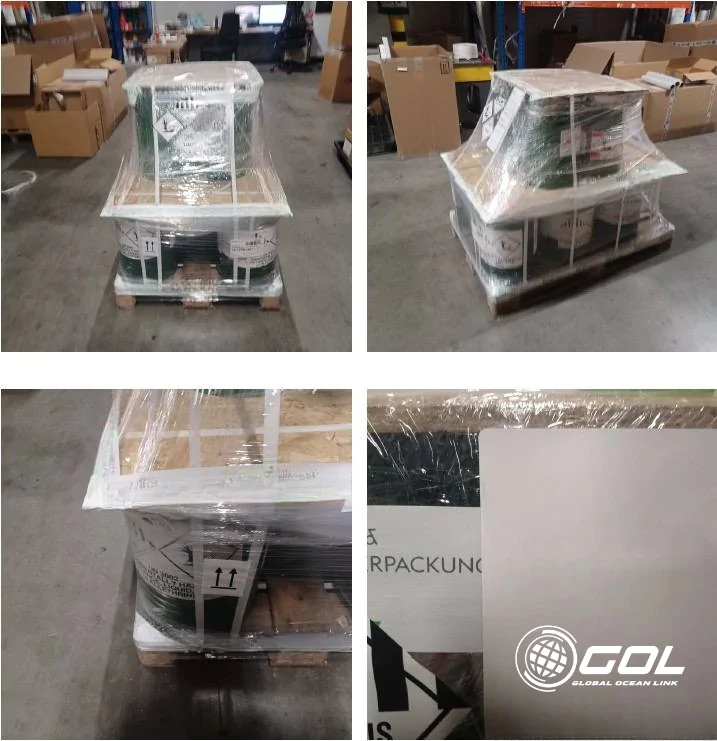
The Global Ocean Link team continues to expand the geography of complex logistics projects. Recently, we successfully executed the air transportation of chemical products classified as ADR (dangerous goods) on a route via Frankfurt to Nigeria.

The cargo was packaged in strict accordance with ADR requirements, ensuring safe transportation and full compliance with international regulations for the carriage of dangerous goods. Logistics coordination and delivery support were managed by Associate Partner Anna Khakhva, who ensured control over all stages of transportation—from cargo pickup to its departure through the international air hub.

Thanks to seamless teamwork and precise coordination of all processes, the cargo was delivered to the recipient within one week from the moment of pickup. Such shipments require experience, precision, and a deep understanding of international logistics standards—qualities that allow us to effectively implement even the most challenging routes.

Logistics Hero: Anna Khakhva

Email: [email protected]

BESS system from China to Ukraine

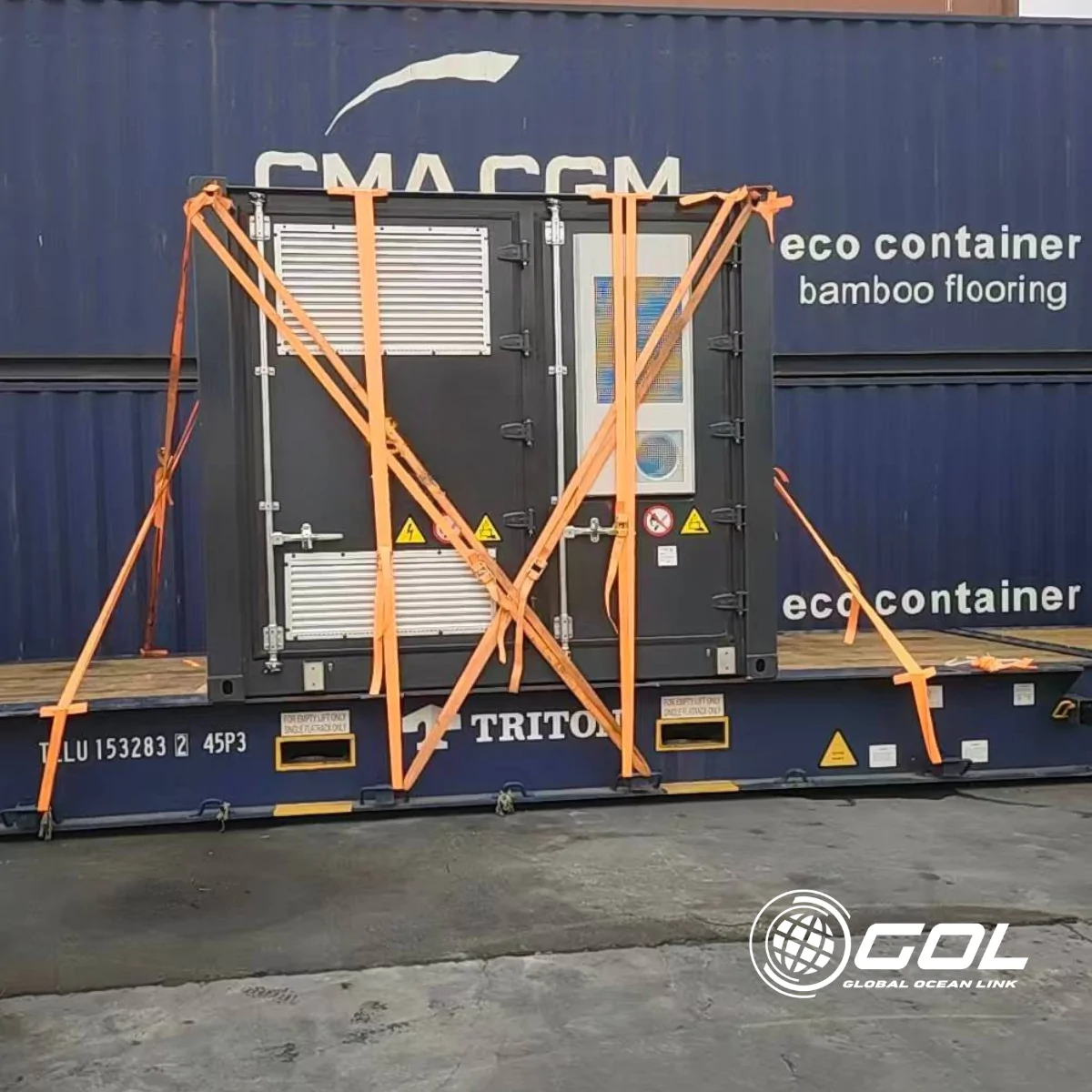
The main challenge of the project was the transportation of equipment from the Port of Shanghai to Odesa, which required a combined approach to packaging and logistics: the main 10-foot module was securely loaded onto a Flat Rack for the safe transport of oversized cargo, while the storage batteries were transported separately in a 20-foot container in strict compliance with all safety regulations.

In addition to energy storage systems (BESS), we are actively involved in the delivery of solar panels from China, utilizing key European ports such as Gdansk, Rotterdam, Antwerp, and Koper. For every order, we select the discharge port individually, focusing on optimal delivery times and the most cost-effective price for the client. We take pride in our team’s professionalism and are always open to discussing logistics strategies for your projects.

Logistics Hero: Artem Hutsuliuk

Email: [email protected]

Cosmetics delivery to Ukraine in just 3 days

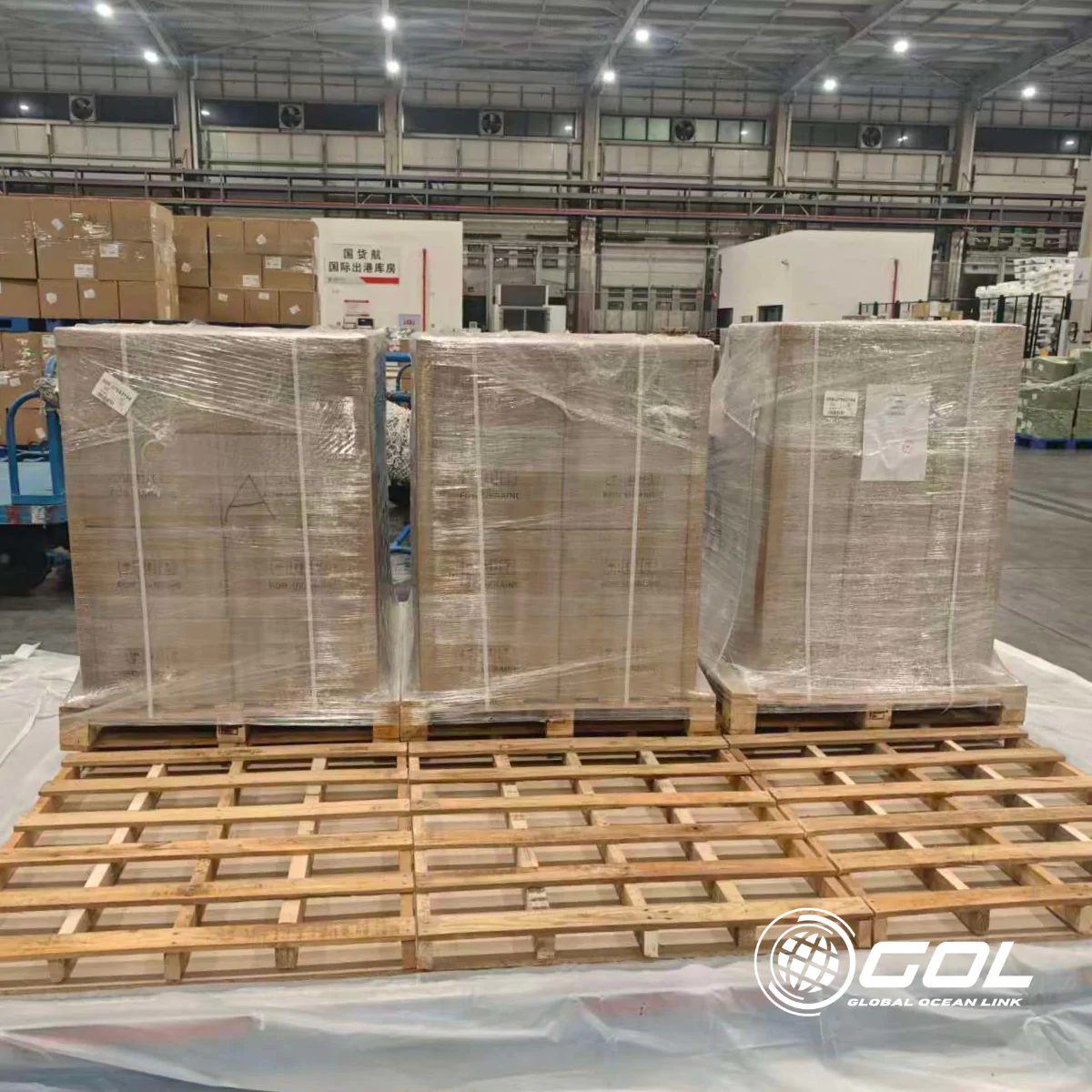
Recently, Rostyslav Doda, Head of the Logistics Department, successfully executed a complex logistics case: 18 pallets of cosmetics from China, with cargo picked up from 8 different factories simultaneously.

The operation included organized consolidation, air freight to Budapest involving GOL Hungary, and rapid ground delivery directly to the warehouse in Brovary.

Maximum coordination of processes, full control at every stage, and seamless teamwork ensured the fast, safe, and timely transportation of the cargo.

Logistics Hero: Rostyslav Doda

Email: [email protected]

Is there air cargo in Ukraine?

Since February 24, 2022, Ukrainian airspace has been closed to civil aviation; however, this does not mean that air logistics has disappeared. It has simply moved geographically beyond the country’s borders. Let’s take a closer look at how this process unfolds.

Situation Assessment 2022–2025: Is there air cargo in Ukraine?

Let’s briefly review the chronology.

2022: The day civil aviation stopped

With the start of the full-scale Russian invasion, flights ceased. The closure of airspace for civil aviation and cargo became a breaking point. Adaptation to new, complex conditions and the search for alternatives began.

2023: The market restructured with the involvement of neighbors

In 2023, air logistics adapted to the specifics of martial law. Now, cargo and passengers reach hubs in Poland, Slovakia, etc., by road or rail—and fly or ship as air cargo from there. This created a kind of “new normal,” where the phrase “air from Ukraine” became firmly associated with “air via neighbors.” Naturally, this term implies additional costs, time, and the risks of the inland leg.

2024: The return of the reopening theme—but in the language of risk

Up to a certain point, when it seemed to society that the war might end sooner, one could hear the question: “When will the sky open?” The discourse of 2024–2025 has changed.

Public signals about partial restoration scenarios appear periodically. For example, this could involve a single airport, limited routes, and additional security protocols. However, the key issue hinges on the risks of strikes, air defense operations, insurance, and liability.

2025: Insurance as the market’s “on/off switch”

Previously, there were even statements about a potential launch of flights in early 2025, but even then, it was presented as an “if we’re lucky” scenario contingent on insurance solutions. As of today, it is finally clear: airlines will not enter without a proper insurance solution.

For instance, Crispin Ellison, a senior partner at the insurance company Marsh McLennan, stated during the Kyiv International Economic Forum in 2024 that flights could resume by the end of January 2025 at one of Ukraine’s airports, specifically “Lviv” or “Boryspil.”

We now see how much unfounded optimism was present in such interpretations of possible future events.

Infrastructure: Airports must be restored even before the first flight

A separate layer of the 2022–2025 reality is airport infrastructure. It has been officially stated that a significant portion of civil airports sustained damage. This means that “opening” does not equate to “flying tomorrow.” To resume flights in Ukraine, inspections, restoration of systems, personnel, procedures, and certifications are required.

In terms of figures, as early as 2024, Prime Minister of Ukraine Denys Shmyhal stated that 15 civil airports had been damaged since the Russian invasion. Even then, the official noted that the military situation and security issues were key to the decision to open airports.

That is why airports in Ukraine must be restored even before the first flight. This is what a sober assessment looks like, devoid of unreasonable optimism in futuristic forecasts. The reality of the previous years has shown that wishful thinking leads to disappointment when desires clash with reality; dreams of returning to a pre-war state cannot be built solely on nostalgic expectations but must have a solid foundation.

For whom the aviation sector is critical even in 2022–2025

Despite the difficult situation in air logistics, this sphere remains critically significant for a number of Ukrainian business sectors, including:

  • International E-commerce and Retail: For businesses specializing in sales via Amazon and Etsy, delivery through airports in Poland, Budapest, Vienna, Prague, and Frankfurt provides the speed necessary to remain competitive globally.

  • Electronics Manufacturing: Specifically regarding the export of microchips, sensors, and other components. Logistics delays can lead to the shutdown of entire production lines.

  • Defense Industrial Complex: Air delivery is vital for supplying spare parts for Western equipment, as well as transporting ammunition and drone systems.

  • Pharmaceuticals and Medicine: This involves specific medications and vaccines supplied from abroad.

    These examples do not cover the entire spectrum of industries dependent on air communication, but for them, this format of logistics is especially significant.

Adaptation to changes in air logistics: A specific example

Currently, the actual share of air cargo in GOL’s portfolio is small, accounting for about one percent; however, some significant trends are worth noting:

  • The growth rate was highest during the 2024–2025 period.

  • For 2026, a similar recovery pace is expected for this direction (at least 2x–3x).

    The most frequent requests include EXW China – Budapest – Kyiv, as well as repackaging services in China or Budapest.

    Despite the lack of direct communication, the air market in Ukraine is undergoing rapid development driven by the demands of the e-commerce sector. Although statistics on air transport are unavailable, it is suggested that Ukraine has not lagged far behind neighbors like Hungary and Poland, which saw 35–40% growth respectively in 2024–2025.

2026+ Scenarios

To avoid falling into unfounded expectations, forecasts should be built realistically. Thus, two key scenarios are worth mentioning:

  1. Opening of one airport and operation on limited routes. This is roughly the scenario mentioned above with reference to Crispin Ellison—with the caveat of a 1+ year time shift, as he gave that forecast for early 2025 back in 2024.

  2. Longer airport closure, depending on the dynamics of hostilities. If the sector develops according to this scenario, it will involve the growth of border hubs and an emphasis on multimodality.

    Which of these options will be realized in practice depends directly on the specific military situation.

The Bottom Line…

Thus, answering the key question of this review: yes, air transport exists as part of the chain, but not as domestic flight infrastructure. For real changes, the market will wait not for promises, but for published criteria regarding security, insurance, and readiness. Only this will revitalize the aviation sector and ensure a gradual return of its dynamics.

The Suez Canal After the Crisis: What Carriers are Preparing for in 2026

The Suez Canal, which for decades served as a vital part of the trade route between Asia and Europe, has ceased to be a stable solution. Despite a formal decrease in military activity in the Red Sea, the shipping market has not returned to its pre-crisis operational logic.

In turn, the market is currently experiencing planning uncertainty as carriers enter 2026. USM reports on the challenges facing the industry in 2026 and the advice offered by Ukrainian logistics experts.

Challenges Faced by Carriers Last Year

Last year, the route through the Suez Canal remained problematic for a significant portion of the market. As of May, vessel tonnage in Suez was approximately 70% lower than in 2023. This sustained the practice of bypassing via the Cape of Good Hope for many liner services and part of the tanker segment.

The additional miles quickly translated into a capacity shortage. Vessels are tied up in voyages longer, container turnover is slowing down, and free tonnage in the system vanished without any fleet scrapping. In early July, the market received a reminder that Red Sea risk is measured in more than just miles—insurance costs also spiked. War risk premiums rose from approximately 0.3% to 0.7% of the vessel’s value, with some quotes reaching 1%. For a vessel with an estimated value of $100 million, a 0.7% premium means about $700,000 for a single transit, excluding other surcharges.

This state of affairs lasted until October, when Yemeni militants announced a “truce.” However, the first practical signals of a cautious return of shipping to the region only appeared in December. On December 4, the CEO of Hapag-Lloyd stated that the return would be gradual. He estimated a transition period of 60–90 days to restructure logistics and avoid port congestion caused by a simultaneous pivot of numerous services back to Suez.

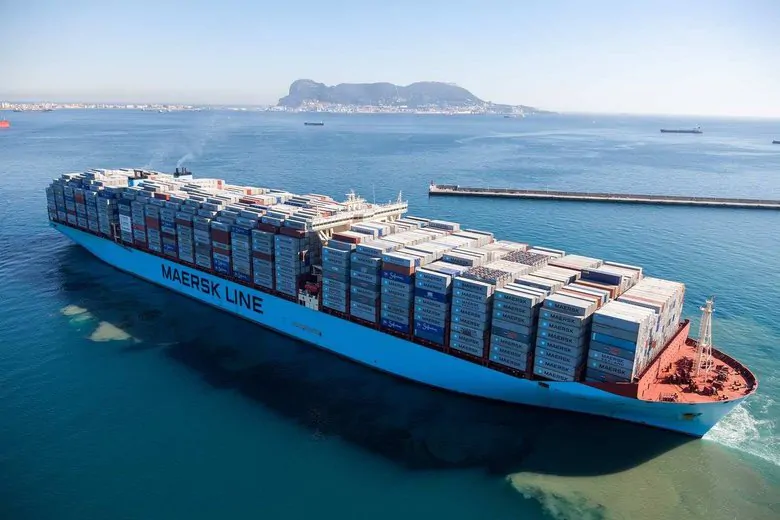
By December 18–19, 2025, the container ship Maersk Sebarok passed through the Red Sea and the Bab-el-Mandeb Strait. The company called this an initial transit and did not announce a full return to Suez for its East-West network. Another shipping giant, CMA CGM, announced plans to return to the Suez Canal starting in January (i.e., this year).

Despite the decline in Houthi activity, another marker of instability in Yemen appeared on December 30. The Saudi coalition launched strikes on the port of Mukalla. The Yemen factor remained unpredictable at the end of 2025; thus, the return to Suez appeared managed and phased.

Carrier Sentiments in 2026

Global carriers entered the new year with the same risks and challenges. Although the Red Sea route has not been attacked since September 29, the Suez Canal remained underutilized by 60% even after 100 days without attacks.

BIMCO reported that in the first week of 2026, transits were approximately 60% lower than in the same week of 2023. Since January 2024, when mass diversions around the Cape of Good Hope began, quarterly transit volumes through the canal have remained 51–64% below 2023 levels. Throughout 2025, transits were 57–64% lower than pre-crisis levels, with the largest drop in the container segment (–86% in Q4 compared to 2023). For other segments in Q4 2025, the data is as follows: bulk carriers –55%, crude oil tankers –32%.

The exception is product tankers. Increased freight premiums accelerated their return, so in Q4 2025, their transit was only 19% lower than in 2023 (compared to –45% in 2024).

World carriers have not shown a unified reaction. Maersk announced the resumption of one of its services via the Suez Canal in January. Specifically, a weekly route connecting the Middle East and India with the U.S. East Coast, known as MECL, starts today. It will be the first in the company’s phased return to the Suez route. Maersk also stated that one of its vessels tested the route as the ceasefire in Gaza provided hope for normal shipping, and one vessel also made a voyage through the Suez Canal in December.

In contrast, CMA CGM is scaling back Suez Canal services again—the company is temporarily withdrawing its FAL 1, FAL 3, and MEX services from the Suez route and redirecting them around the Cape of Good Hope. CMA CGM attributed the decision to a “complex and uncertain international context” but provided no further details.

Thus, despite market analysts’ expectations, the “truce” declared by the Houthis in the fall did not automatically return the market to a pre-war state. It appears the route problem will persist in the industry at least through this year, and full recovery may take several years. Returning services to Suez means synchronizing the fleet, crews, port windows, and inland logistics, which will take significant time even in the absence of unpredictable political factors.

This explains why the market saw divergent decisions from lines at the end of the year. For some companies, returning to Suez was an opportunity to release vessels from long voyages faster and increase turnover; for others, the risk remained too high amid a still-unstable security situation. Consequently, instead of a single scenario, a system has formed where different services operate under different logic, even within the same direction.

In these conditions, the main challenge has shifted from choosing the “right” route to managing uncertainty. The entire logistics chain has begun flexible planning, leaving a window for rapid reaction; therefore, issues of diversification, hub selection, and readiness to switch between scenarios have come to the forefront.

How Ukrainian Carriers Should Account for These Issues

Ukrainian logisticians are, of course, monitoring the situation. As Volodymyr Guz, Commercial Director of Global Ocean Link (GOL), told USM, the key focus is now on flexibility and rapid planning.

“We are currently living in a reality where the conditions and terms of the same route can change literally within a week. Therefore, for clients, the key is not to guess which line is right, but to build a chain that can withstand market pivots,” says Volodymyr Guz.

In the near term, GOL management sees that the market continues to respond with falling rates on the Far East – Europe direction. According to the expert, this is about volatility: schedules and conditions will be reviewed constantly rather than once a season. In the short window, the winner will be the one who can first establish a stable service via Suez—before the market accounts for further tariff reductions.

GOL also believes that Ukrainian companies need to diversify their delivery routes.

“For example, regarding sea freight and subsequent delivery to Ukraine, imports through Poland look significantly stable and predictable. The Polish hub provides more options in terms of lines, infrastructure, and inland delivery—this is critical when the maritime portion of the route is ‘floating’,” notes Volodymyr Guz.

At the same time, GOL’s Commercial Director believes there are several steps cargo owners should consider in 2026:

“First—diversify flows: distribute volumes among the top 3 lines so as not to depend on a single carrier or service. Second—place maximum emphasis on the Polish hub as a primary entry/exit point, where it is easier to switch between options and maintain chain control. Third—secure a sufficient pool of inland carriers from Poland in advance and reserve capacity for peak periods,” noted Volodymyr Guz.

According to him, significant congestion is expected at the junction of the 1st and 2nd quarters, and the availability of confirmed inland resources will be the key to meeting deadlines.

“The earlier cargo owners incorporate this into their planning, the fewer surprises there will be regarding deadlines, and the higher the chance to lock in favorable conditions before the next round of market fluctuations,” the expert concludes.

The events surrounding the Suez Canal in recent years demonstrate that global maritime logistics has entered a phase where planning is constantly challenged. Even with a formal decrease in military activity in the Red Sea, the market does not automatically return to familiar models. Line decisions remain fragmented, and the security factor remains variable, which continues to translate into volatility in rates, schedules, and routes.

Against the backdrop of “floating” security in the Red Sea, logistics increasingly operates not as a fixed route; therefore, the ability to quickly transition between these scenarios will determine who in 2026 can maintain timelines, cost control, and competitive conditions.

What to do when you have a partner in Kazakhstan?

Buckwheat delivery from Kazakhstan to Ukraine.

We have organized an optimal route via Lithuania to avoid unnecessary costs for the client and accelerate logistics.

How it worked:

  1. Railway (Kazakhstan — Lithuania): Our responsibility and scope of work covered the Lithuanian segment, specifically: Full control of railway inspections and passing food safety authorities in Lithuania, including all Lithuanian railway fees.

  2. No-queue Terminal: We organized immediate acceptance of railcars, saving the client from overpaying for demurrage (standing time).

  3. Warehouse Logistics: Rapid transshipment in Lithuania and processing of complex documents for “food transit.”

  4. Synchronized Trucking: Simultaneous dispatch of a group of trucks for each railcar (“1 railcar = 1 batch”). Loading without downtime and precise document management.

Important: There are currently specialized and more cost-effective services available than standard road transport on the Ukraine — Kazakhstan — Ukraine route that DO NOT CROSS hostile territory.

Would you like to optimize your shipments or get a quote for a new project?

Contact Logistics Hero Anna:

+37-060-573-422 (mob)

+38-093-427-9-429 (Viber, WhatsApp)

• Ukraine ↔ Kazakhstan

• Kazakhstan → Europe (transshipment + sea)

Where agriholding money will go in 2026: about GOL and other agribusiness players

Soy protein, bioethanol, insect-based protein, solar power plants, food processing, poultry, and dairy production — these are the specific sectors where Astarta, MHP, Kernel, OKKO, Nestlé, Agroprodservice, Oliyar, and other agribusiness players will invest in 2026. Latifundist.com has compiled the key investment plans for the agricultural sector for 2026.

Fertilizers closer to ports

In approximately May 2026, a specialized logistics hub for the storage and packaging of mineral fertilizers will appear in the south. The project is being implemented by investors and partners Global Ocean Link and Timac Agro. The facility’s area will be 6,000 m², with a simultaneous storage capacity of up to 30,000 tons of bulk fertilizers. In the first phase, the hub will operate as a site for receiving, packaging, and logistical processing of products. In the future, the partners are considering expanding the facility into a full-scale production site. Over the next three years, investors plan to reach an annual processing volume of up to 100,000 tons of fertilizers.

Agriholdings are moving into processing. And not just oilseeds

In the new year, Astarta plans to complete the construction of Ukraine’s first plant for the production of soy protein concentrate in the Poltava region. The company announced the project back in 2021, with total investments reaching up to $80 million. The expected production capacity will be up to 100,000 tons of concentrated soy protein per year. The product is added to the diet of all types of animals, poultry, and fish. In September 2025, the installation of equipment already began at the plant. Astarta also plans to complete the construction of an oilseed processing plant, specifically for soybeans and rapeseed, in the Khmelnytskyi region in 2026. Capacity — 400,000 tons per year, investment — $76 million. Things are getting “hot” in the oilseed processing segment in the Khmelnytskyi region. Kernel’s “millionaire” plant, Starokostiantyniv OEZ, and Vitagro OEZ (which began processing all three oilseed crops in 2025) are already operating here. They may be joined in 2026 by Epicenter Agro OEZ, which is being built in the Podillia-Horodok industrial park. In the same location, the company is building another plant — for bioethanol production. OKKO is also betting on bioethanol in 2026. The company is preparing to launch the first stage of a plant with a processing capacity of 200–250 thousand tons of corn and a production capacity of 85 thousand tons of bioethanol per year. Additionally, they plan to produce feed from dried distillers grains (DDGS) here. By the way, the pioneer in this segment is Vitagro, which launched the production of such a product in 2025 at the Marylivka bioethanol plant. MHP is not yet launching a full-scale OEZ (though in 2025 it opened an oil extraction workshop at the Myronivka Plant for the Production of Groats and Feed), but it is also deepening its processing. At the end of the first quarter of 2026, the agriholding plans to open its first industrial pilot plant for the production of alternative insect-based protein. The company explained the choice of this direction by the global shortage of protein resources, environmental challenges, and the depletion of natural reserves, specifically the reduction in fish catches for fishmeal — a vital feed ingredient. Also, a plant for the production of high-protein feed additives and animal fats will appear in the Cherkasy region in 2026. Feednova Center will be the first in the central part of the country to process raw materials from external suppliers. Investments in production exceed €20 million.

На майбутньому майданчику Feednova Center

At the future site of Feednova Center

Not all peas will go for export?

Another promising direction in which agricultural companies are starting to invest is pea processing. Traditionally, this crop in Ukraine has been export-oriented. As VNIS marketer Anna Hornitska notes, in 2025, the sown area under peas, according to estimated data, increased by approximately 20–30% compared to the previous season, reaching about 260–280 thousand hectares. Gross production, according to preliminary estimates, could reach 600–650 thousand tons depending on the region and yield level. This dynamics is primarily linked to attractive export market conditions and stable demand from foreign markets, particularly Turkey and EU countries, as well as periodic interest from India. “We take these market changes into account and have modern solutions for the pulses segment in our portfolio. In particular, having the Bosphorus pea in our portfolio allows us to meet growing demand and provide farmers with an adapted product within the formation of this market direction,” notes Anna Hornitska. She adds that if the favorable price situation and market demand persist, a further expansion of the area under peas is possible in 2026, gradually establishing pulses as an important element of the crop structure in Ukraine. However, it seems that a domestic market for peas is also gradually emerging. In 2025, the production of pea-based bio-glue began at the Korosten Industrial Park in the Zhytomyr region. It is used in the production of eco-friendly wood boards for the construction and furniture industries. The project’s investor — Korosten MDF Plant — plans to build a similar enterprise in an industrial park in Zakarpattia. The requirement for the new production is about 1 million tons of peas per year. For comparison, as of December 18, 2025, 672.2 thousand tons of this crop were harvested in Ukraine. Therefore, for now, part of the enterprise’s needs will be covered by imports from Hungary and Poland. Simultaneously, Korosten MDF Plant is holding consultations with farmers in the Zhytomyr, Kyiv, Cherkasy, Kirovohrad, and Dnipro regions regarding expanding crops and concluding long-term pea supply contracts. The potential of pea processing is also seen by the company TERRA. It already has the capacity to process about 25,000 tons of peas per year. In 2025, it announced plans to launch Ukraine’s first production of pea protein and starch. As Oleksandr Yasynskyi, co-owner and commercial director of the company, noted, there is currently no industrial production of these products in Ukraine. The market is mainly represented by soy ingredients and corn starch, a significant portion of which is imported.

Investments in food processing

Another attractive direction for agricultural companies is food processing. Interest in this segment is growing against the backdrop of stable demand for high-value-added products both in the domestic market and abroad. Specifically, Nestlé plans to expand the capacity of its new noodle factory in Volyn in 2026–2027, which it launched in 2025. The first production line allows for the output of up to 5,000 tons of noodles per year under the Maggi and Mivina brands. The factory is an export-oriented enterprise: about 75% of the products will be supplied to EU markets under the Maggi brand. At the same time, approximately 75% of the raw materials for production come from local suppliers; specifically, sunflower oil and flour are exclusively Ukrainian. Meanwhile, in the Kyiv region, construction has started on a large food plant, Neo Food System. The factory will specialize in the production of chilled ready-to-eat meals, as well as pasteurized, sterilized, and deep-frozen products. Capacity — up to 60,000 ready meals per day. The project is being implemented by the Sol Union group, which already has two plants in Dnipro producing ready-to-eat food, instant products, packaging grocery items, sugar and coffee sticks, as well as pasta, sauces, and jams. The investment in the Kyiv project amounts to 200 million UAH. Equipment installation will begin in April 2026, production launch is planned for May, and reaching design capacity is set for September 2026. Another project is the launch in early 2026 of Ukraine’s first plant for the industrial production of salt using innovative integrated technologies. The enterprise is located in the Odesa region and will produce food and industrial salt. According to preliminary estimates, the monthly production volume will be about 15,000 tons. Investments in the project are estimated at $2.8 million, and the state “5-7-9%” program has also been engaged. The berry processing segment is also growing. Goldberry plans to create its own berry freezing facilities in the Kyiv region. According to the head of the enterprise, Volodymyr Chornobai, the first stage involves a small plant with an annual capacity of 1,000–2,000 tons. In the future, the company is considering launching a large enterprise with a capacity of up to 60 tons per day, fully loaded with its own raw materials.

Шокова заморозка ягід

Individual quick freezing (IQF) of berries

From field to megawatts

Strengthening energy independence is one of the most pressing directions for agribusiness today. Companies are not only actively investing in their own generation now but are also allocating funds for capacity expansion in the coming years. Specifically, Kernel plans a large-scale project to build a solar power plant in the Chernivtsi region. The SPP capacity will be 250 MW, making it the largest solar power plant in western Ukraine. Project implementation is planned over the next two years. As noted by the company, the timelines will depend on regulatory conditions in the energy market and equipment supply logistics. The start of construction work is planned for the spring of 2026. By the end of 2025 or the first quarter of 2026, the OKKO group plans to commission its first wind power plant, “Ivanychi,” with a capacity of 147 MW in the Volyn region. Within 5 years, the group plans to increase its wind energy capacity to almost 1 GW. YASNO is now helping agricultural companies install “turnkey” solar power plants. As explained in a video by Kurkul.com, YASNO CEO Serhiy Kovalenko noted that demand for solar panels in the business segment began to grow as early as 2019. Although the market dipped in 2022 due to the start of the full-scale war, it returned to pre-war volumes by 2025 and continues to develop. For example, the installation of a 1 MW solar power plant at one of Ukraine’s largest dairy complexes for Holstein cattle, MTK “Petrykivske Moloko,” allowed for the coverage of 40–50% of its own electricity consumption.

МТК «Петриківське молоко», сонячна електростанція потужністю 1 МВт

Petrykivske Moloko Dairy Complex, 1 MW solar power plant

The complex belongs to AgroVista, which is also considering other bioenergy projects. The company is already preparing for the construction of a biogas plant. The raw materials for processing will be beet pulp, slurry, molasses, corn, sorghum, and energy silage. The capacity of the biogas station is planned at 5 MW. Biogas is also of interest to the company “Skif,” operating in the Poltava region. The project already has a raw material base, a land plot, and a developed concept; however, the company is postponing its implementation until the security situation in the country stabilizes. Furthermore, the Vitagro group announced intentions to build two more biomethane production plants, although specific implementation dates have not yet been voiced.

Eggs, meat, and cheeses: who will invest in livestock farming

Alongside crop production and processing, agricultural companies are gradually increasing investments in livestock and the dairy industry. Among interesting examples is the entry of a large oil producer into poultry farming. We are talking about the company Oliyar, which plans to build a poultry farm in the Lviv region. The poultry farm will consist of 20 poultry houses, 10 of which will be Type I CASA and 10 Type II DECK, with a total capacity of 2.3 million birds. The Hy-Line Brown laying hen breed was chosen for production. The farm is expected to produce over 1.6 million eggs per day. The Lviv-based company “Pollos” is also expanding its presence in poultry farming. It plans to build a new farm for raising broiler chickens in the Rivne region. The poultry complex will be set up at a former pig farm. Its annual design capacity will be about 990,000 broiler chickens. In the Zolochiv district of the Lviv region, on the territory of an abandoned cattle farm, the company “Duck Agro” will build a poultry farm. The project includes seven poultry houses, a feed mill, a feed warehouse, an administrative building, and auxiliary premises. The capacity is also substantial — up to 1.5 million birds per year.

Відразу декілька птахофабрик побудують у західних областях України

In parallel with poultry farming, dairy projects are expanding in western Ukraine. Goodvalley Ukraine plans to build three modern dairy farm complexes in the Ternopil region. As of December 2025, the company has identified three land plots in the Saranchuky community, held auctions, and began processing permit documentation. Recall that in September, the Antimonopoly Committee of Ukraine granted the company permission to acquire the corporate rights of “Agro-Vita” in the Ivano-Frankivsk region. Holdings that have their own farms are gradually moving into dairy processing. Thus, Agroprodservice and Molokiya are jointly planning the construction of a new plant for the production of hard cheeses. The estimated capacity of the enterprise is the processing of 100 tons of milk per day with the production of up to 10 tons of hard cheese daily. For Agroprodservice, this is a new business direction. The company has 10 farms with a total of 15,750 head of cattle. The daily milk yield is over 175 tons in physical weight, with sales of more than 210 tons in adjusted weight. Molokiya will provide the company with production expertise and the sale of finished products. A new enterprise is also being created on the basis of the bankrupt “Hadyachsyr” plant in the Poltava region. It will produce soft cheeses, cottage cheese, and other products with a shelf life of 40–60 days. In early February 2025, the asset was acquired by the founder and president of the PRAVIO group of companies, Valentyn Zaporoshchuk. According to him, the design processing capacity could reach up to 1,000 tons of milk per day, and the investment volume is estimated at about €180 million, which they plan to raise from European funding sources.

Будівництво нового заводу з виробництва твердих сирів планують «Агропродсервіс» та «Молокія»

Agroprodservice and Molokia plan to build a new factory for hard cheese production.

Privatization and concession of port assets

In 2026, we expect the privatization of at least two state enterprises (provided buyers are found) and the concession of terminals in the port of Chornomorsk. One of the closest events will be the online auction for the sale of Sumykhimprom, which will take place on January 13, 2026, on the Prozorro.Sale platform. The starting price of the lot is 1.088 billion UAH excluding VAT. For comparison, at the previous auction in June 2025, they tried to sell the enterprise for 1.2 billion UAH, but the bidding did not take place due to a lack of participants. The state also continues to look for an optimal privatization model for the Odesa Port Plant (OPZ). In November 2025, the auction for its sale did not take place — not a single participant registered. The starting price reached 4.49 billion UAH. Work is currently underway with potential investors to form a more balanced and attractive package of conditions for a resale. In addition, at the end of the year, it became known that the Ministry of Development launched the concession tender for the First and Container Terminals in the port of Chornomorsk. These are universal and grain sea terminals. Within the concession, existing state property — buildings, equipment, infrastructure, and berths No. 1–6 — will be transferred to an investor for 40 years. The concessionaire will also have the right to build new facilities and purchase necessary property for the development of the terminals.